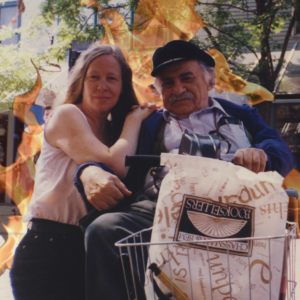
 We were split down the middle between delving more into insurrectionary anarchist theory, and social, organizational anarchist theory. Therefore, we have decided to read both How to Start a Fire:
An Invitation by Anonymous, (2017) and Libertarian Municipalism: An Overview by Murray Bookchin (1991) congruently.
Both of these texts are available for free through the Anarchist Library:
How to Start a Fire: An Invitation by Anonymous (2017)
Libertarian Municipalism: An Overview by Murray Bookchin (1991)
As always, we are meeting at Camas Books, 2620 Quadra Street, on Lekwungen Territory. The next meeting is Sunday August 6th @ 6:30PM.
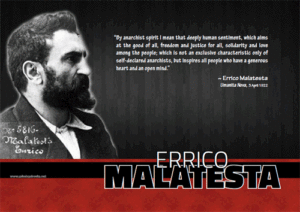 The Victoria Anarchist Reading Circle has started a new session and we decided to begin with a foundational text by Errico Malatesta, Anarchy. This classic text, written in 1891, is intended as a primer defining what Anarchy and Anarchism really mean in opposition to the presumptions and misapprehensions of statist-derived modes of organisation.
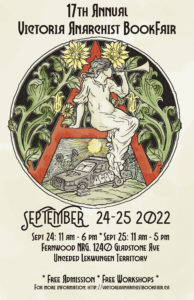 Welcome back to meeting in-person!
 The Victoria Anarchist Reading Circle is back online, and with the necessary infrastructure required to continue our readings and discussions during the pandemic.
  At the next Victoria Anarchist Reading Circle, we will take a look at structural violence, in the guise of bureaucracy, through a lively, accessible and interesting article by contemporary anarchist and anthropologist David Graeber. The experience of bureaucratic incompetence, confusion, and its ability to cause otherwise intelligent people to behave outright foolishly, opens up a series of questions about the nature of power.
 Given the popularity of the Rojava readings, we’ve decided to read about another group of present-day revolutionaries: The Zapatistas. Specifically, we’ll be reading “To Those Who Work It: Ricardo Flores Magón and the EZLN” by Ian Campbell and “The Zapatistas, Anarchism, and Direct Democracy” by Andrew Flood. They are available here:
 On Tuesday, November 19, we will continue our exploration of the living experiment in autonomous self-rule in the region of Rojava, northern Syria. Our reading this week is Chapter 9, “The New Justice System: Consensus in the Key,” in REVOLUTION IN ROJAVA: DEMOCRATIC AUTONOMY AND WOMEN’S LIBERATION IN SYRIAN KURDISTAN:
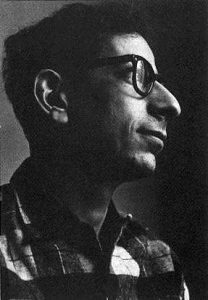 ‘s Fifth Estate journal (Winter, 1984) and pivots on a recurring paradox embedded in State-based ‘national liberation’ struggles. Israel’s brutal invasion and occupation of southern Lebanon (1982-2000) formed the backdrop for Perlman’s reflections.
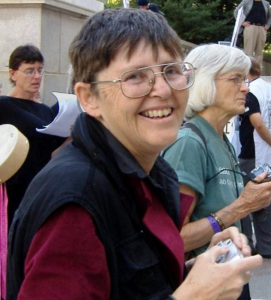 o Freeman this essay explores power relations within radical feminist collectives and was inspired by her time in the Women’s Liberation Movement of the 1960’s. Joreen reflected on the experiments of the feminist movement in resisting the idea of leaders and even discarding any structure or division of labor. Freeman described how “this apparent lack of structure too often disguised an informal, unacknowledged and unaccountable leadership that was all the more pernicious because its very existence was denied”. As a solution, Freeman suggests formalizing the existing hierarchies in the group and subjecting them to democratic control.